
Olive Oil Filling Machines: The New Standard of Hygiene, Precision, and Efficiency in the Food Industry
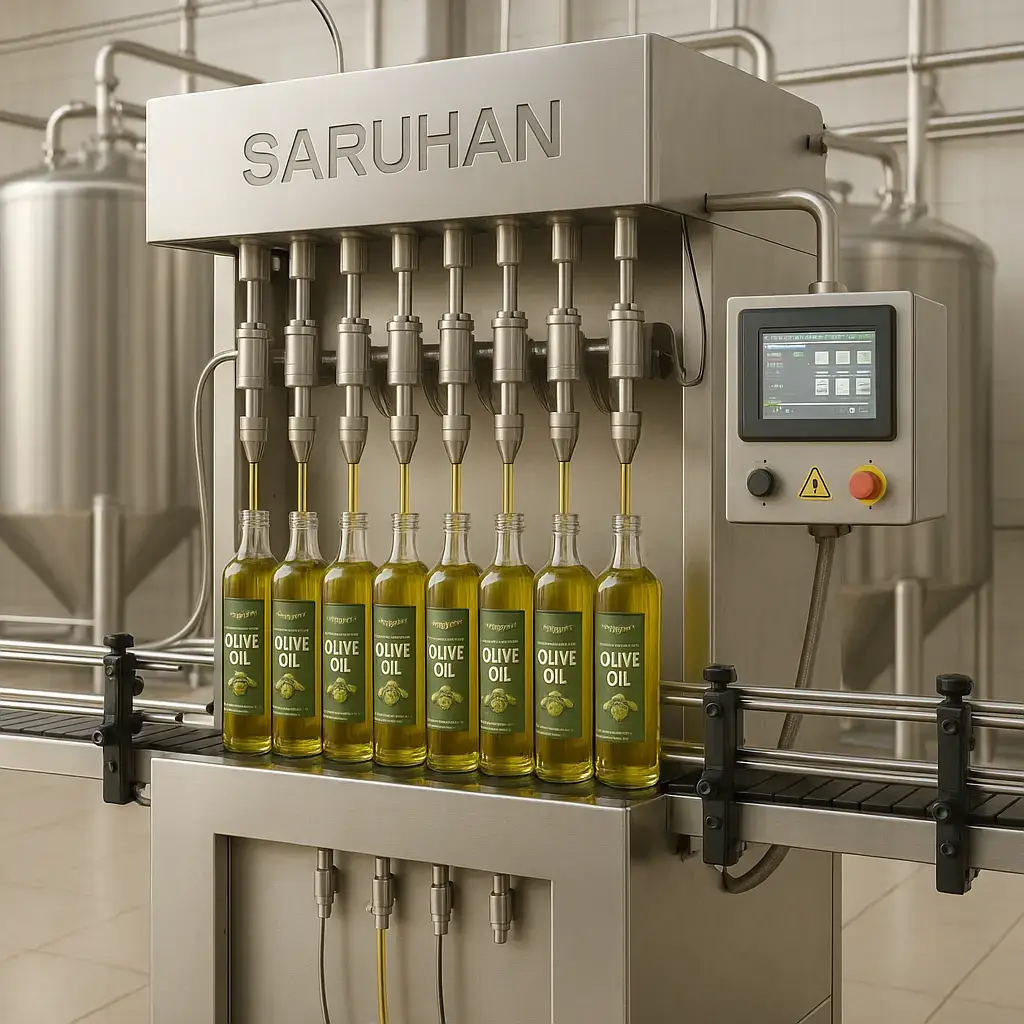
Olive Oil: A Source of Healthy Living on Our Tables
Olive oil, with its vitamins, antioxidants, and natural aroma, is not just an oil but a healthy source of life that reaches our tables. However, the quality of this valuable product is determined not only by the production process but also by the care taken during the filling and packaging stages.
In the food industry, especially when it comes to filling sensitive liquids like olive oil, hygiene and precision become the most critical elements.
This is where olive oil filling machines form the heart of the production line.
🧼 1. Hygiene: The Unchanging Standard of Food Safety
Olive oil can easily be affected by the surfaces it comes into contact with. Therefore, every part of the filling machine, such as nozzles, hoses, and tanks, should be made of food-grade stainless steel. Additionally, the filling system should be easy to clean, sterilize, and should have a non-depositing structure.
Modern olive oil filling machines, with CIP (Clean-in-Place) systems, allow cleaning to be done without stopping the production process. This ensures hygiene and saves time.
🎯 2. Precision: Perfection in Weight
The weight of the olive oil affects not only the price but also the product’s standard. Ensuring that each bottle is filled with an equal amount of oil is essential for customer trust.
Advanced filling systems operate with servo motor pistons or flowmeter-controlled mechanisms. This ensures that the filling amount is:
- Done with ±1% precision
- Eliminates problems like bottle gap, overflows, or underfilling
This precision makes a significant difference, especially for factories producing for export.
⚙️ 3. Efficiency: Less Waste, More Production
In the filling of a costly product like olive oil, even the smallest loss is significant. A good filling system:
- Ensures minimum leakage and dripping
- Saves time with quick bottle changeovers
- Reduces operator errors with automation systems
These machines can fill between 1,000 to 4,000 bottles per hour, offering a significant increase in efficiency for medium and large-scale businesses.
🧠 4. Control at Your Fingertips with Smart Technology
Modern olive oil filling systems are managed via touch-screen PLC control panels. From here:
- Filling recipes are recorded
- Production data is monitored
- Errors are instantly displayed
This minimizes operator errors and ensures that production quality is continuously monitored.
📌 Conclusion: Quality Products Meet Quality Filling
Bottling a valuable product like olive oil requires more than just a regular filling process. A hygienic, precise, and efficient filling system directly impacts your brand’s reliability, your product’s quality, and the sustainability of your business.
At Saruhan Machinery, we provide the top-level solutions needed by olive oil producers, combining quality with hygiene and technology.


