


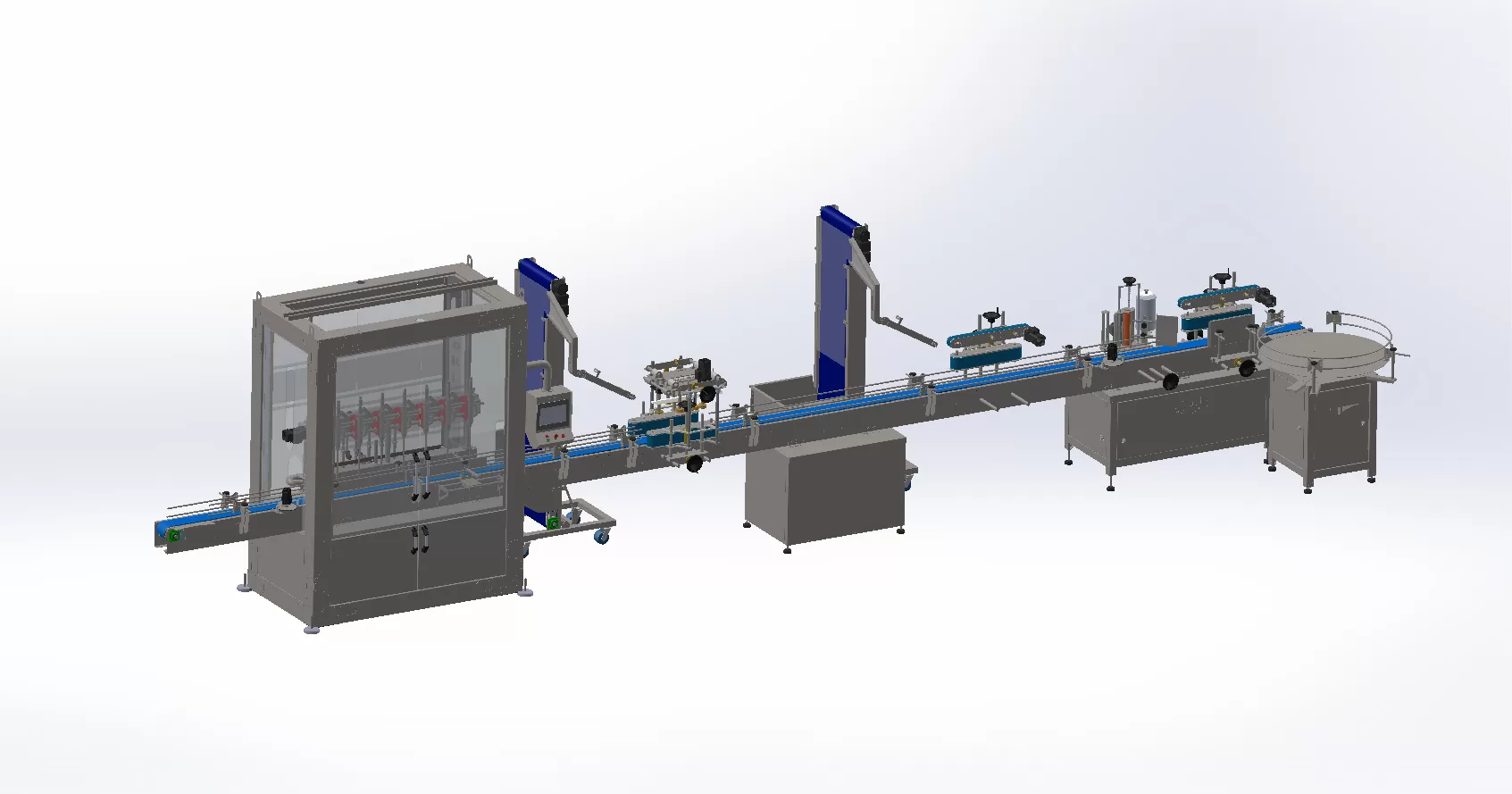

In the modern manufacturing world, liquid filling machines play an indispensable role in various industries. From food and beverages to pharmaceuticals and cosmetics, these machines ensure that liquids are filled into containers with precision, consistency, and efficiency. The importance of liquid filling machines cannot be overstated, as they help manufacturers meet production demands while maintaining the highest quality standards.
What Are Liquid Filling Machines?
Liquid filling machines are automated devices used in the packaging process to fill liquid products into containers such as bottles, jars, pouches, and more. These machines are designed to handle a wide range of liquids, including water, oils, sauces, beverages, cleaning solutions, and pharmaceutical liquids. Depending on the product, filling systems can be adjusted to accommodate various container sizes, liquid viscosities, and production speeds.
Key Features of Liquid Filling Machines
-
Accuracy and Precision
One of the primary features of liquid filling machines is their ability to provide accurate and precise filling. By using advanced sensors, flow meters, and filling nozzles, these machines ensure that each container receives the correct amount of liquid, reducing waste and preventing overfilling. -
High-Speed Production
Liquid filling machines are designed to operate at high speeds, increasing production efficiency. These machines are capable of filling hundreds or even thousands of containers per hour, making them ideal for industries with high-volume production needs. -
Versatility
Liquid filling machines can be adapted to fill a wide variety of liquids, from thin and watery substances to thick and viscous fluids. This versatility makes them highly useful in industries like food and beverage, cosmetics, pharmaceuticals, and chemicals. -
Automation and Ease of Use
Modern liquid filling machines are highly automated, reducing the need for manual labor and increasing operational efficiency. Most machines feature user-friendly interfaces and programmable settings that allow operators to adjust fill volumes, speeds, and other parameters quickly and easily. -
Hygiene and Safety Standards
In industries such as food, beverages, and pharmaceuticals, hygiene and safety are critical. Liquid filling machines are built with materials and designs that adhere to stringent health and safety regulations. Many machines are made of stainless steel or other corrosion-resistant materials to prevent contamination and ensure that products remain safe for consumption or use. -
Customization Options
Liquid filling machines can often be customized to meet the specific needs of different products. Adjustable filling nozzles, conveyors, and other modular components can be tailored to accommodate a variety of container shapes, sizes, and liquid types.
Importance of Liquid Filling Machines
-
Consistency and Quality Control
Maintaining consistency in the volume of liquid filled in each container is crucial to ensure product quality and customer satisfaction. Liquid filling machines automate this process, ensuring that each product meets the required specifications and minimizing human error. -
Increased Efficiency and Cost Savings
Automation speeds up the filling process and reduces labor costs. Liquid filling machines are capable of processing large quantities of products in a short period, allowing manufacturers to meet high demand without compromising quality. Additionally, these machines help reduce material waste by ensuring precise fills. -
Compliance with Regulatory Standards
Many industries, particularly pharmaceuticals and food and beverages, are subject to strict regulatory standards. Liquid filling machines help manufacturers comply with these regulations by ensuring that each product is consistently filled and sealed, reducing the risk of contamination and providing traceability for quality control. -
Enhanced Product Integrity
Liquid filling machines help protect the integrity of the product by minimizing exposure to air and contaminants during the filling process. This is particularly important for sensitive products such as pharmaceuticals, where product integrity can impact efficacy and safety. -
Scalability
As production demands increase, liquid filling machines can be scaled to accommodate higher output. Manufacturers can easily increase the number of filling stations, adjust production speeds, and upgrade systems to meet growing demands, making these machines ideal for both small and large-scale production.
Types of Liquid Filling Machines
-
Volumetric Filling Machines
Volumetric filling machines are designed to dispense a specific volume of liquid into each container. These machines use pistons, gears, or other mechanisms to accurately measure the volume of liquid before dispensing it into the container. They are ideal for filling thick or viscous liquids, such as syrups, oils, and creams. -
Gravity Filling Machines
Gravity filling machines use the force of gravity to fill containers with liquid. The liquid flows from a storage tank into containers placed below. These machines are ideal for thin liquids, such as water, juices, and alcoholic beverages. Gravity fillers are often used in industries with high production rates. -
Piston Filling Machines
Piston filling machines are commonly used for liquids with higher viscosities. The piston creates suction to draw the liquid into the filling chamber, and then it pushes the liquid into the containers. This type of machine is well-suited for thicker liquids, such as creams, gels, and sauces. -
Peristaltic Filling Machines
Peristaltic filling machines operate using a peristaltic pump, which moves the liquid through flexible tubing. This method is ideal for handling viscous, sensitive, or abrasive liquids, such as pharmaceuticals and food products. Peristaltic machines offer high accuracy and are easy to clean. -
Aseptic Filling Machines
Aseptic filling machines are used to fill products in a sterile environment, preventing contamination. These machines are commonly used in the food and beverage industry, particularly for dairy products, juices, and other perishable items that need to be stored for long periods.
Applications of Liquid Filling Machines
-
Food and Beverage Industry
Liquid filling machines are commonly used in the food and beverage industry for packaging a variety of products such as juices, milk, sauces, oils, and beverages. They help ensure that the products are consistently filled and meet hygiene standards. -
Cosmetics and Personal Care Products
In the cosmetics industry, liquid filling machines are used to fill products such as lotions, creams, shampoos, and perfumes. These machines help maintain product consistency and minimize contamination risks during the packaging process. -
Pharmaceutical Industry
Pharmaceutical companies rely on liquid filling machines to fill medicines, syrups, and vaccines in precise doses. These machines help ensure that the right amount of medicine is dispensed and that the products remain sterile and safe for consumption. -
Chemical Industry
Liquid filling machines are also used in the chemical industry for packaging cleaning agents, oils, lubricants, and other chemical liquids. They provide a safe and efficient way to handle potentially hazardous substances.
Conclusion
Liquid filling machines are essential for ensuring the efficient and precise packaging of liquid products in various industries. These machines enhance production speeds, maintain product consistency, and ensure that all regulatory standards are met. With a wide variety of filling machine types available, manufacturers can select the best option for their specific needs, ensuring high-quality results every time.