
Antifreeze Filling Machines: The Importance of Speed, Safety, and Precision in Chemical Filling
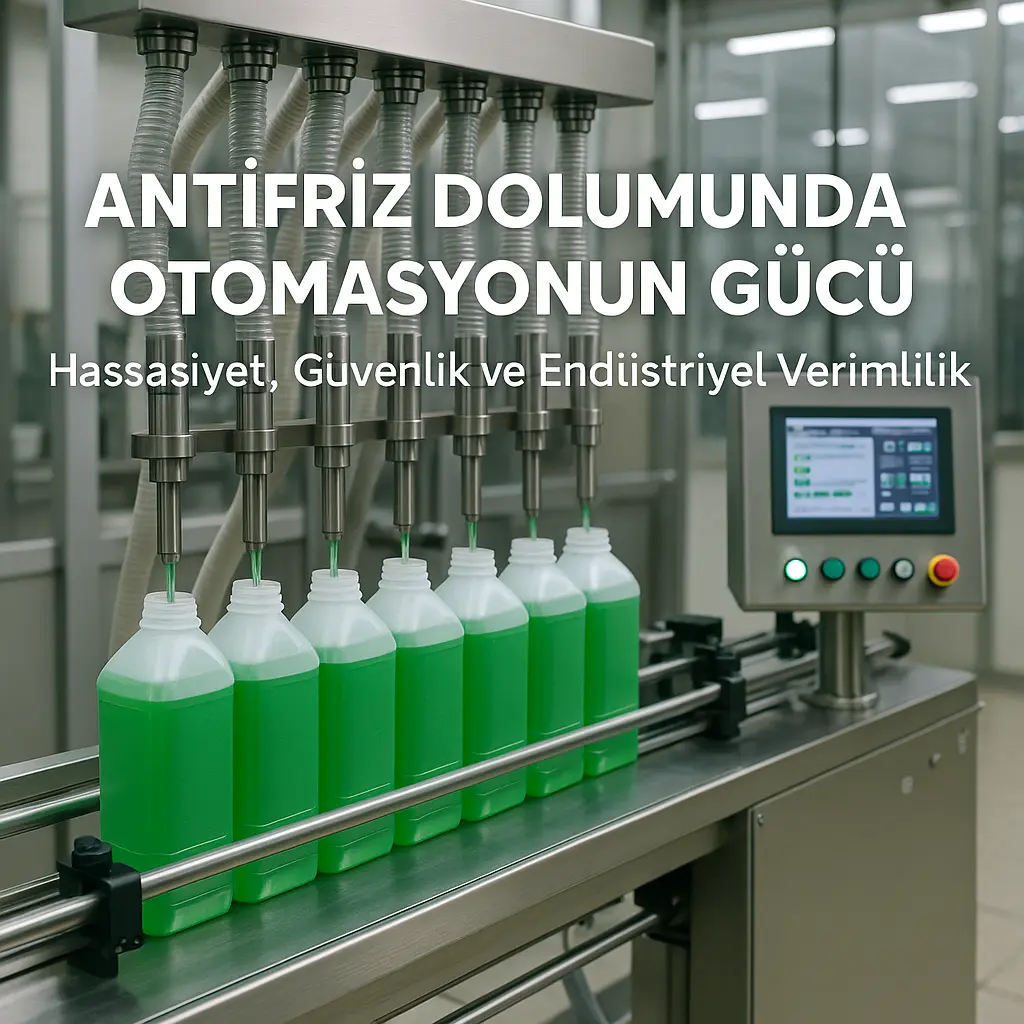
Antifreeze Filling Machines: The Importance of Speed, Safety, and Precision in Chemical Filling
Using antifreeze in your vehicle during the winter months has become almost a necessity for smooth engine operation. However, putting antifreeze in bottles, selling it, or packaging it in a production line is not as simple as it might seem.
Most of the time, issues related to antifreeze do not stem from the product’s content, but from incorrect filling processes.
In this article, we will share critical details that need to be considered during antifreeze filling, common mistakes, and some expert tips.
1. Antifreeze Mixes While Being Filled, Not While Spilled
Antifreeze is technically a chemical. It shouldn’t be treated like a liquid oil or beverage. It typically contains ethylene glycol or propylene glycol. These substances:
- Lose their properties when exposed to air for a long time,
- Can react in the wrong packaging,
- May foam and cause measurement errors during incorrect filling.
So, when filling antifreeze, you are not just transferring liquid into a container. You are also determining the product’s lifespan, quality, and safety.
2. Bottle Selection Is Everything
Many manufacturers still operate with the mindset of using “cheap plastic containers.” However, antifreeze contains chemical agents. Over time, these agents can:
- Dissolve the cap gasket,
- Penetrate the inner surface of the packaging,
- Cause spoilage of the product throughout its shelf life.
Therefore, the packaging used in production must be made of chemically compatible HDPE plastic. Additionally, it must be UV resistant because light can degrade the antifreeze’s content.
3. Invisible Foam Is Your Biggest Enemy
The foam created during antifreeze filling is not just an aesthetic issue.
Foam means:
- Incomplete filling (the customer thinks they bought 5 liters, but they receive 4.7 liters),
- Level differences after labeling,
- Customer complaints and returns.
Thus, professional filling systems are optimized to prevent foam by adjusting nozzles based on the flow speed. Any filling done without low pressure, correct flow angle, and necessary waiting time is a potential brand risk.
4. Safety Isn’t Just About Gloves
Yes, antifreeze is harmful when it comes into contact with skin. However, the real risk comes from incorrect filling processes. For example:
- In high-pressure systems, liquids squirting from the nozzle may come into contact with eyes,
- Leaky systems may affect the respiratory system,
- Filling on unsuitable surfaces can cause slipping.
None of these issues can be solved simply by wearing gloves. Safety is a chain of proper processes done with the right equipment.
5. You Can Gain or Lose a Brand While Filling Antifreeze
Remember: customers pay for trust, not the bottle.
When someone holds an antifreeze bottle, they expect to see:
- Clear, detailed information on the label,
- An even filling level,
- No leaks, stickiness, or stains,
- When opened, they expect a non-foaming, flowing, and clear product inside.
All of these expectations are directly related to the filling line you use in production.
So, the filling machine doesn’t just pump liquid; it defines how your brand is presented to the customer.
Final Words
The antifreeze filling process requires respecting the chemical composition of the product.
Taking this process lightly or ignoring slight filling discrepancies risks your brand perception, customer loyalty, and production quality in the long term.
Think of filling as the final signature of the product.
Correct filling, correct packaging, and correct equipment—without all three, quality production is impossible.


