


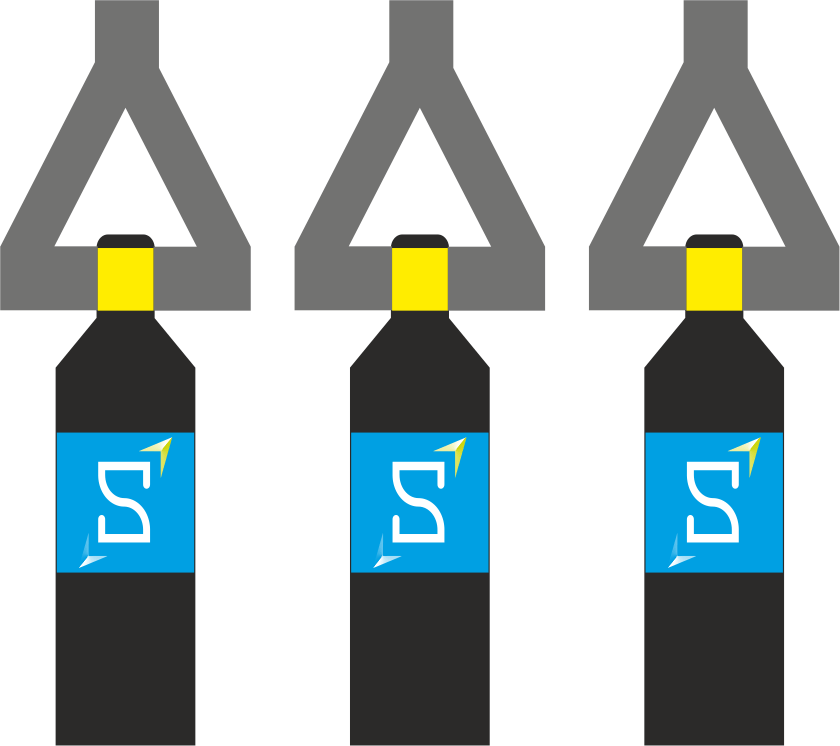
What is a Cap Placing and Closing Machine?
Cap placing and closing machines are essential components in the packaging industry, primarily used for placing caps on bottles, jars, and other containers, followed by sealing them securely. These machines play a vital role in maintaining product integrity, preventing contamination, and ensuring that products reach consumers in perfect condition.
What is a Cap Placing and Closing Machine?
A cap placing and closing machine is a device designed to automate the process of placing and securely closing caps onto containers. These machines are commonly used in industries such as food and beverage, cosmetics, pharmaceuticals, chemicals, and more. The process typically involves two main steps:
-
Cap Placement: The machine positions the cap on top of the container. Depending on the design of the machine, this can be done automatically by picking up caps from a supply hopper and placing them on the container.
-
Cap Closing (Sealing): Once the cap is placed, the machine tightens it to ensure a secure seal. This step is crucial for preserving the freshness of the product, preventing leakage, and ensuring product safety.
Types of Cap Placing and Closing Machines
-
Manual Cap Closing Machines
These machines require manual intervention for placing the cap, but the closing process is automated. While they are slower than fully automated machines, they are suitable for small-scale production or specialized products. Operators place the cap on the container, and the machine then securely tightens the cap. -
Semi-Automatic Cap Closing Machines
These machines can handle both the placement and sealing of caps with minimal human intervention. They are ideal for medium-sized production runs where automation is beneficial, but the production volume doesn’t yet justify full automation. -
Fully Automatic Cap Placing and Closing Machines
These machines are designed to handle both the placement and sealing processes completely automatically. Fully automated machines can operate at high speeds, efficiently handling high-volume production. They typically include a conveyor belt system for transporting containers, a cap feeding system, and a capping mechanism for secure sealing.
Key Features of Cap Placing and Closing Machines
-
Speed and Efficiency
One of the key features of cap placing and closing machines is their ability to operate at high speeds. Automatic and semi-automatic machines can handle hundreds or thousands of containers per hour, significantly increasing production efficiency. -
Adjustable Settings
Many cap placing and closing machines offer adjustable settings to accommodate different bottle sizes and cap types. This makes the machines versatile and able to meet the specific needs of various production lines. -
Consistency and Accuracy
These machines ensure that each cap is placed and tightened consistently, reducing the chances of errors such as loose caps or over-tightening, which could lead to damage or product leakage. -
Hygienic Design
In industries like food and beverage, cosmetics, and pharmaceuticals, hygiene is a top priority. Cap placing and closing machines are typically designed with materials that are easy to clean and resistant to contamination, ensuring that they meet stringent industry standards. -
Integrated Quality Control
Advanced machines may feature built-in sensors and monitoring systems to ensure the correct placement and sealing of caps. These systems can detect improperly placed caps or containers, ensuring that only properly sealed products continue down the production line.
Importance of Cap Placing and Closing Machines
-
Ensuring Product Safety
A secure cap is essential for ensuring the safety and longevity of a product. Cap placing and closing machines help maintain product integrity by providing consistent and reliable sealing. This is especially important in industries where contamination or leakage can compromise the product’s quality. -
Preventing Contamination
A tightly sealed container prevents contaminants from entering the product, ensuring it remains fresh and safe for consumers. The cap placing and closing process minimizes the risk of human error, reducing contamination possibilities. -
Improving Productivity
The automation of the capping process helps increase the overall efficiency of a production line. By reducing the need for manual labor and ensuring high-speed production, these machines enable manufacturers to meet high-volume demand without compromising quality. -
Cost-Effective Solution
While the initial investment in a cap placing and closing machine may seem high, the long-term benefits, such as increased productivity, reduced labor costs, and minimized product loss, make these machines a cost-effective solution for manufacturers in various industries.
Applications of Cap Placing and Closing Machines
-
Food and Beverage Industry
Cap placing and closing machines are widely used for sealing bottles of sauces, juices, beverages, and dairy products. These machines ensure that caps are placed securely to maintain product freshness and prevent leakage. -
Cosmetics and Personal Care Products
In the cosmetics industry, cap placing and closing machines are used to seal bottles containing lotions, shampoos, perfumes, and other beauty products. These machines ensure that the caps are tightly sealed, protecting the products from contamination and ensuring a longer shelf life. -
Pharmaceutical Industry
The pharmaceutical industry requires high standards of hygiene and product integrity. Cap placing and closing machines are essential in sealing medicine bottles, ensuring that products remain safe and effective until they reach the consumer. -
Chemical Industry
Chemical products are often hazardous, and proper sealing of containers is critical for safety. Cap placing and closing machines are used to seal containers of cleaning agents, detergents, and other chemicals, preventing leaks and spills during storage and transportation.
FAQs About Cap Placing and Closing Machines
-
What industries benefit most from cap placing and closing machines?
Industries like food and beverage, pharmaceuticals, cosmetics, and chemicals benefit greatly from these machines as they ensure secure sealing and prevent contamination. -
Can cap placing and closing machines be customized for different container sizes?
Yes, many machines offer adjustable settings that allow them to handle a variety of container sizes and cap types. -
How does a cap placing and closing machine improve production efficiency?
By automating the capping process, these machines can operate at high speeds, reducing the need for manual labor and increasing overall production capacity. -
Are cap placing and closing machines easy to clean?
Yes, most machines are designed with hygiene in mind and are made from materials that are easy to clean and resistant to contamination. -
What is the main advantage of using an automatic cap placing and closing machine over manual labor?
Automatic machines offer faster speeds, greater consistency, and fewer chances of human error, making them more efficient and cost-effective in the long run.